

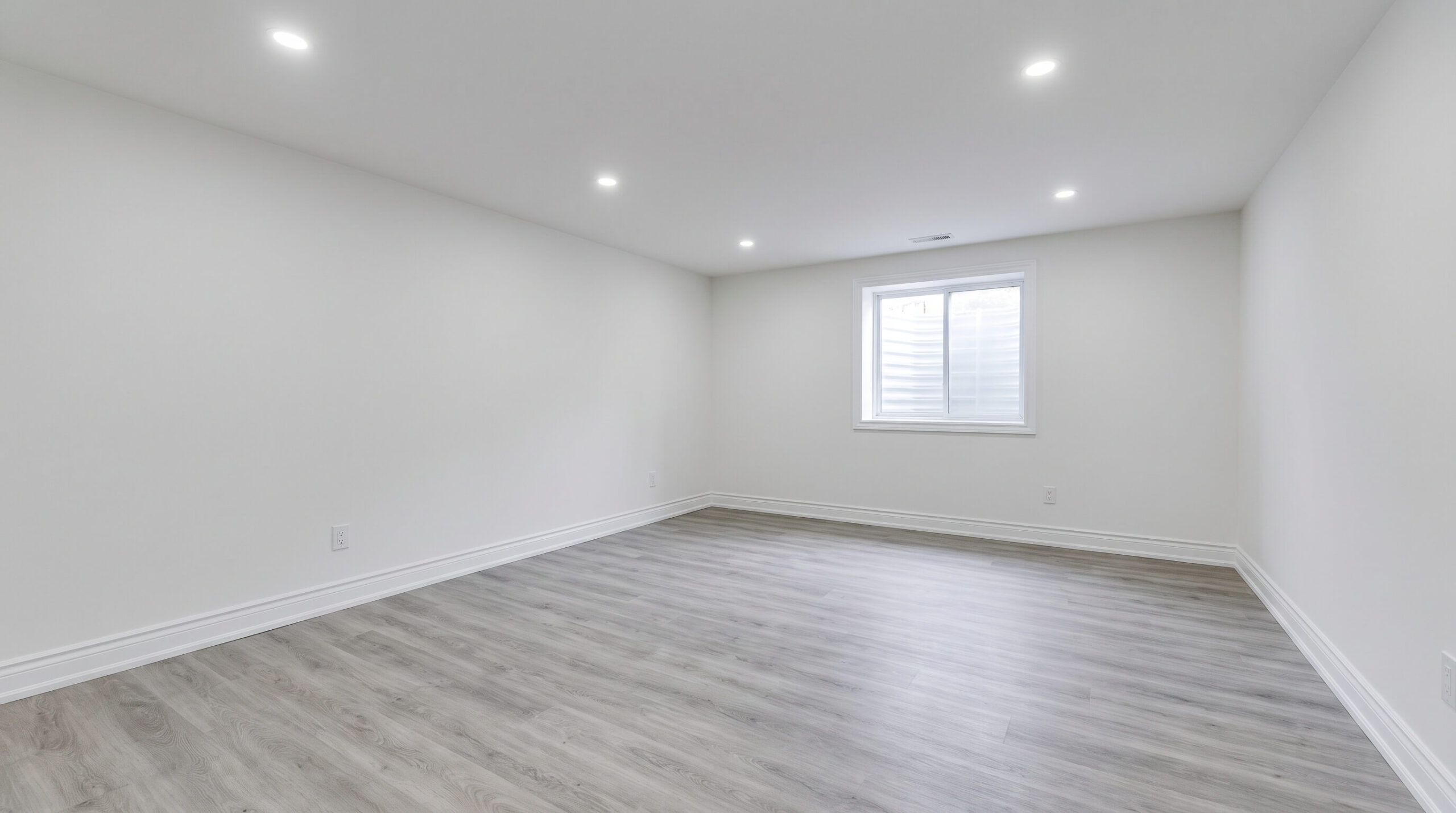
How to Turn Your Lower Level Into an Income Suite
Living costs across Ontario keep climbing, and more homeowners are looking for practical ways to offset their mortgage. If your home has an unfinished or underused basement, that space may be one of the most valuable assets you already own. Turning it into a legal basement apartment in Ontario is one of the smartest long-term financial moves available to a homeowner today.
The catch is the word “legal.” Municipal bylaws, the Building Code, and the permit process are detailed, and a single misstep can mean costly delays or fines. This guide walks you through what actually matters, so you can plan a project that is profitable, compliant, and far less stressful than it first appears.
What Makes a Basement Apartment Legal in Ontario?
A basement apartment is legal in Ontario when it meets the Ontario Building Code requirements for a second suite and has a building permit to prove it. In practice that comes down to six things:
- Ceiling height. At least 1.95 m in the living areas.
- Separate entrance. Its own way in and out that doesn’t pass through the main house.
- Egress. A window in every bedroom big enough to climb out of in an emergency.
- Fire separation. A minimum 30-minute fire-rated separation between the suite and the house above.
- Heating, ventilation and insulation. Systems that properly serve the suite, not leftovers from the floor above.
- Permits. A building permit before the work starts and a passed final inspection after it finishes.
A basement that misses even one of these isn’t legal, however finished it looks. The rest of this guide goes through each requirement, what it costs and how long the approvals take.
Why a Legal Basement Apartment in Ontario Is Worth It
It is fair to ask whether the dust, noise, and upfront cost are really worth it. For most homeowners, the answer is yes. Right now an unfinished basement is essentially dead equity. Finishing it properly does two things at once: it adds livable square footage, and it changes the earning potential of the entire property.
A legal basement apartment in Ontario can create a reliable stream of rental income. Whether you rent to a young professional, a student, or use it as an in-law suite for aging parents, that monthly rent can cover a meaningful share of your mortgage. There is a resale benefit too: homes with compliant, registered second suites tend to sell faster and at a premium, because buyers value the built-in income potential.
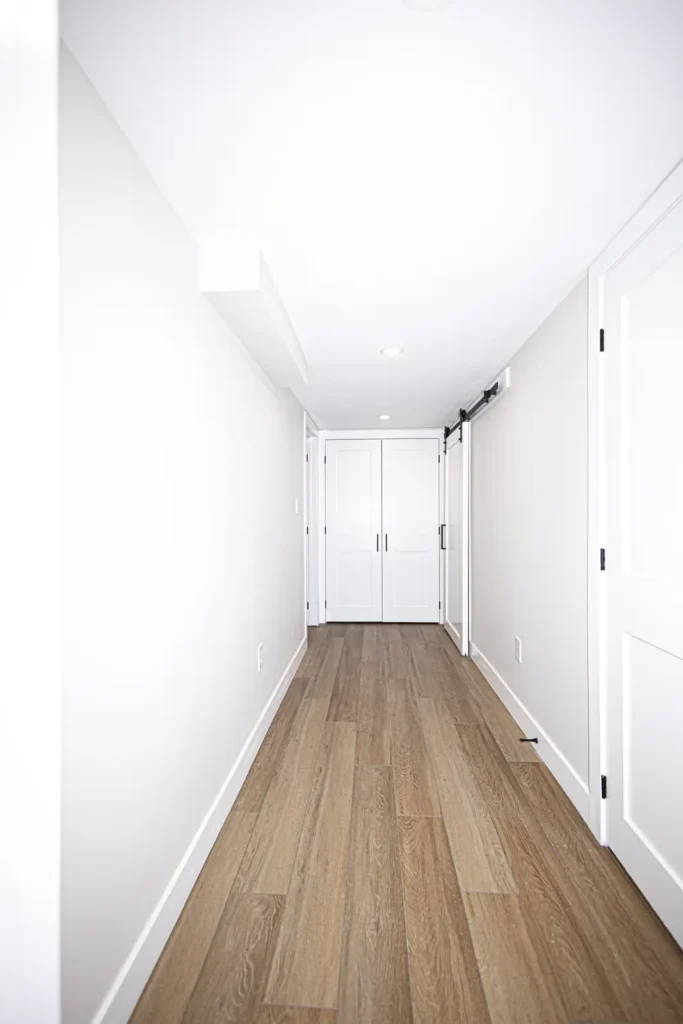
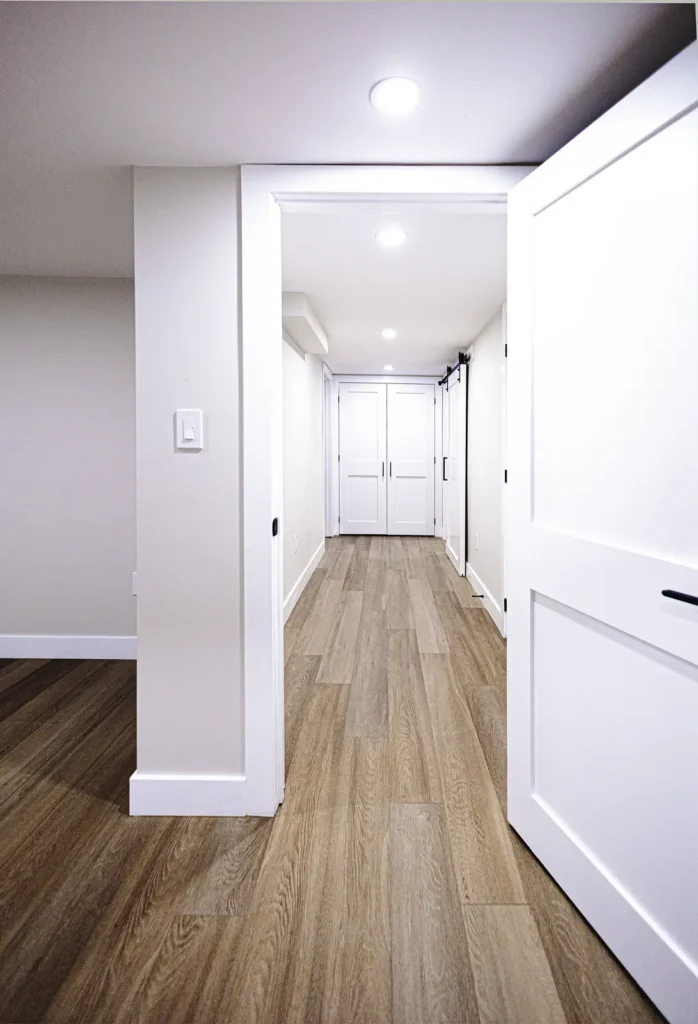
How Much Does It Cost to Make a Basement Legal in Ontario? (2026)
Legal basement apartments in the GTA start at around $75 per square foot, so an 800 square foot suite begins near $60,000. Most legal suites land somewhere in the $60,000 to $110,000 range once you account for the work that makes them rentable and compliant.
The price moves with a few specific factors. Lowering a floor or underpinning to reach the required ceiling height adds cost. So does cutting in a separate entrance, enlarging windows to meet egress rules, and running full plumbing for a second kitchen and bathroom. Fire separation, soundproofing, and proper permits are part of the number too. We give you a fixed price after an in-home assessment, not a guess over the phone.
How Much Rent Can a Basement Apartment Earn?
This is where a legal suite pays for itself. In today’s GTA market, a legal one-bedroom basement apartment typically rents for roughly $1,500 to $2,200 a month, depending on location, size, and finish. A two-bedroom suite in a strong neighbourhood can earn more. Actual rent depends on your area and the condition of the unit, so treat these as market estimates rather than a promise.
At that range, a suite can bring in $18,000 to $26,000 or more per year. For many homeowners that covers a large share of the mortgage and pays back the renovation within a few years, while the legal, permitted status adds real value at resale.
The Building Code Requirements in Detail
You cannot simply add some drywall and a hot plate and call it an apartment. Municipalities take safety seriously, and the rules are enforced. The current second suite requirements 2026 come from the Ontario Building Code (the 2024 edition now in force), and they exist to protect both you as the landlord and your future tenants.
Your design has to be approved by the city before construction begins. Here are the elements that matter most.
What Is the Fire Code for Basement Apartments in Ontario?
Fire safety is the area where inspectors have the least flexibility. Under the current code, you need continuous fire separation between the main house and the basement unit, generally a minimum 30-minute fire-rated separation on the shared walls and ceiling assembly. That usually means fire-rated drywall plus solid-core, self-closing doors.
Egress is equally important. If the main door is blocked, your tenant needs a second safe way out, which is why egress windows are required. The window needs a minimum unobstructed clear opening (around 0.35 square metres, but confirm the exact figure for your build), large enough for an adult to climb through. On top of that, interconnected, hardwired smoke and carbon monoxide alarms are required in both units, so an alarm downstairs is heard upstairs immediately.
Ceiling Height, Floor Area, Insulation, and HVAC
Nobody wants to live in a space where they have to duck. The current code sets a minimum ceiling height of 1.95 metres (6 feet 5 inches) for habitable rooms, hallways, and the exit path, with a reduced minimum of about 1.85 metres (6 feet 1 inch) under beams, ducts, and similar obstructions. Worth knowing: this is lower than the old 2.1-metre standard, so more older homes now qualify without major structural work. These are finished measurements, so account for drywall on the ceiling and finished flooring below. If your basement still falls short, underpinning (lowering the concrete floor) is an option, though it adds significant cost.
There are also minimum floor-area rules. A bachelor or studio suite generally needs to be at least about 145 square feet of living space, with more area required as you add bedrooms.
Air quality and climate control matter as well. The current code requires full-height insulation on basement walls, not just partway up. You typically cannot simply tap into the existing furnace either; the suite often needs its own heating solution and ductwork with fire dampers, or dedicated electric baseboard heaters, so it has independent temperature control. Kitchen and bathroom exhausts must vent to the outdoors. An electrical panel upgrade is also commonly needed to safely handle the extra load.
A Separate Entrance
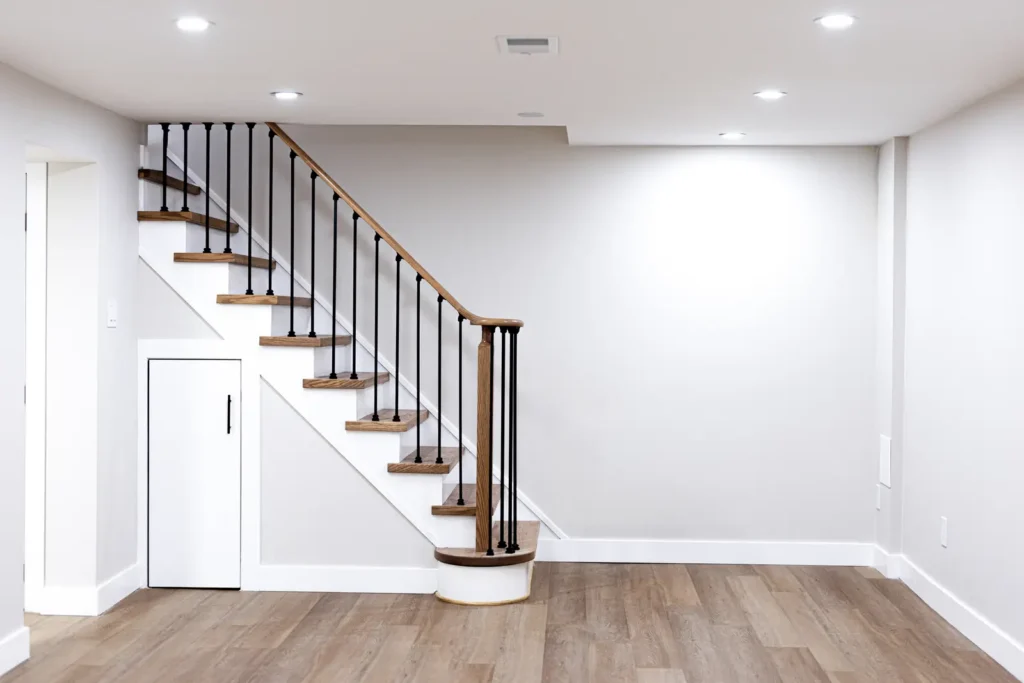
In nearly all Ontario municipalities, a legal secondary suite needs its own entrance that does not pass through the main dwelling. This is usually a side door or a walk-out. A shared hallway between the two units is generally not permitted. If your home does not have a suitable separate entrance, it can often be added as part of the renovation, for example by excavating for a separate basement entry. This is what it looks like once it’s built: our legal two-bedroom basement apartment has its own entrance cut into the side of the house.
Zoning and Permits
Before you choose paint colours, you have to deal with the municipality. The first question is whether your property is zoned for a second unit. Thanks to provincial policy, most Ontario municipalities now allow secondary suites in detached, semi-detached, and row houses, but local bylaws still set rules around things like parking, lot size, and entrance location. In Toronto, for example, secondary suites are permitted under the city’s zoning bylaw, while neighbouring cities have their own rules.
You will always need a building permit. The process involves submitting drawings, then passing inspections at several stages, typically framing, electrical (with Electrical Safety Authority sign-off), plumbing, insulation, drywall, and a final inspection. A good contractor handles this entire process for you, from drafting the blueprints to coordinating each inspection.
Why Work With a Professional Basement Apartment Contractor
Renovation shows make it look like a couple can transform a home in a weekend. In reality, a legal suite involves structural changes, plumbing, and electrical work that has to pass inspection. A seasoned basement apartment contractor does more than swing a hammer; they manage risk, pull the right permits, coordinate inspections, and keep the project moving. Cutting corners with an unlicensed handyman often ends with the city halting the project, which costs far more than doing it right the first time.
We understand that opening your home to a construction crew is disruptive. That is why we prioritize clear communication, maintaining a clean worksite, and sticking strictly to our agreed-upon timelines. We treat your home with the exact same respect we would treat our own.
Working With Element Home Solutions
This is where we make the process easier. At Element Home Solutions, we treat a basement suite as what it really is: an investment. You can see examples of our work on our portfolio. We have spent years working within local building codes, and we know what it takes to get a project approved and finished on schedule.
We also know that having a crew in your home is disruptive, so we focus on clear communication, a clean worksite, and sticking to the agreed timeline. We treat your home the way we would treat our own.
What sets our team apart is an end-to-end service model. From the first 3D design concept to the final coat of paint and the city’s final inspection, we manage every part of the project. We also keep pricing transparent, with a detailed, line-by-line quote and no surprise invoices partway through. You can read more about our approach on our basement renovation page.
How to Make a Legal Basement Apartment in Ontario, Step by Step
Here is a simplified look at how a project moves from first call to finished suite.
| Project Phase | What Happens | Estimated Timeline |
|---|---|---|
| 1. Consultation & Design | We assess your space, discuss your goals, and prepare architectural drawings. | 3–7 days |
| 2. Permits & Approvals | We submit plans to the city and manage all the back-and-forth. | A few weeks, depending on the municipality |
| 3. Demolition & Framing | Removing old structures and framing the new layout. | 3–7 days |
| 4. Rough-Ins | Plumbing, electrical, and HVAC behind the walls. | 3–7 days |
| 5. Inspections & Insulation | City verifies the rough-ins, then insulation goes in. | 1–7 days |
| 6. Drywall & Finishes | Taping, painting, flooring, kitchen, and bathroom. | 5–10 days |
| 7. Final Walkthrough | Final inspection, cleanup, and handover. | 1–3 days |
Please note: Timelines are estimates and vary with the size of the project and how long the municipality takes to process permits.
Design Tips for Rental Success
fair rent, design matters as much as structure. Light is your best tool. Beyond the required egress windows, bright LED pot lights make a lower level feel open and welcoming rather than closed in.
Choose durable, water-resistant flooring such as luxury vinyl plank. It looks like hardwood but handles spills and the occasional moisture of a basement. Keep paint colours light and neutral, which makes rooms feel larger and gives tenants a clean canvas.
For the kitchen, you do not need luxury finishes, but a functional, tidy kitchen is a major draw. Focus on smart storage, durable counters such as quartz or butcher block, and reliable stainless-steel appliances. An open layout that flows into the living area is popular with renters and helps justify a stronger rent, which means your suite pays for itself sooner.
Ready to Start?
If you are ready to make better use of your property, the second suite requirements 2026 do not have to be overwhelming when you have the right team. We have helped homeowners across the province turn unused basements into compliant, comfortable, and profitable suites.
We would be glad to look at your space and give you a realistic assessment of what is possible. Reach us at +1 (647) 649-9404, email info@elementhomesolutions.ca, or use the contact form to book a free, no-obligation consultation.
FAQs About Legal Basement Apartments
Legal suites in the GTA start at around $75 per square foot, and most land between $60,000 and $110,000 depending on size, condition, and finishes. The biggest variables are ceiling height work like underpinning, a separate entrance, egress windows, and the second kitchen and bathroom. We provide a fixed, transparent quote after an in-home assessment, so you know exactly what to expect.
People do, but it is illegal and risky. If a neighbour complains or there is a fire, the city can shut the unit down, require you to evict the tenant, and issue fines. Your home insurance may also refuse to cover damages if the unit is not legally registered. It is far safer to do it properly the first time.
In almost all Ontario municipalities, yes. A legal secondary suite needs its own entrance that does not pass through the main home, which gives the tenant safe, independent access and a clear exit in an emergency. If your home does not have one, a compliant separate entrance can usually be added as part of the project.
Under the current Ontario Building Code, the minimum is generally 1.95 metres (6 feet 5 inches) for habitable rooms, hallways, and the exit path, measured after the finished floor and ceiling are in place. Some areas under beams and ducts can be as low as about 1.85 metres (6 feet 1 inch). If your basement is lower than that, underpinning can create the needed height. Confirm the exact requirements for your home with your designer.
It varies by municipality, often a few weeks, and sometimes longer if the zoning office is busy or a committee of adjustment approval is needed. When you work with us, we handle the paperwork and follow-ups with the city so the process moves as quickly as possible.
Yes. A building permit application includes drawings of the proposed suite, covering the layout, fire separation, and exits. We prepare the drawings, submit the permit application, and manage the inspections as part of the project, so you don’t have to coordinate an architect and a contractor separately.
Most can, but not all. The usual blockers are ceiling height, which underpinning or bench footing can solve, a missing second exit, and moisture problems that need waterproofing first. At a free assessment we tell you what your basement needs, what it will cost, and whether the numbers make sense for your home.
A two-bedroom suite is usually 900 to 1,100 square feet, so at around $75 per square foot it lands between roughly $67,000 and $82,000. The second bedroom itself adds little: the cost sits in the egress window it needs, plus the extra framing, wiring and finishing. Two bedrooms also widen your pool of tenants, which is why most owners who have the floor area choose them.